

👋 Hey, Carlos here! Welcome to “The Holistic Leader”, your weekly source of simple and honest leadership, Agile, Management & team insights.

A few years ago, I thought being “always available” made me a great leader.
I answered emails at midnight.
Jumped on weekend calls.
Kept Slack and Teams open all the time.
I thought that “This shows commitment.”
But it didn’t.
It created stress—for me and for my team.
People stopped disconnecting because they thought that’s what I expected.
And honestly, I didn’t stop them.
Until one day, I saw the signs:
❌ Missed retros.
❌ Shorter stand-ups.
❌ Quiet team members.
❌ Quality dropping.
That’s when it hit me:
Always-on doesn’t make teams better. It burns them out.

The real cost of always-On
Here’s what I’ve seen happen when people never unplug:
Focus disappears. Notifications kill deep work.
Energy drains. Without recovery, burnout is guaranteed.
Ownership fades. When you’re always online, people wait for you instead of taking decisions.
Agility collapses. The Agile Manifesto calls for sustainable pace. Without it, you lose predictability and morale.
👉🏻 Busy isn’t the same as valuable.
But exhaustion often looks like commitment—until it’s too late.

📋 Last Week Posts:
The Silent Reasons Teams Say No
Stop Fixing People, Fix the Environment
Your Team Doesn’t Need a Hero
What is Understood by "VALUE" in Agility?
How to Build a Team Where People Feel Safe to Speak Up
Have a quick question?
Jump into the subscriber chat below and get a fast reply.

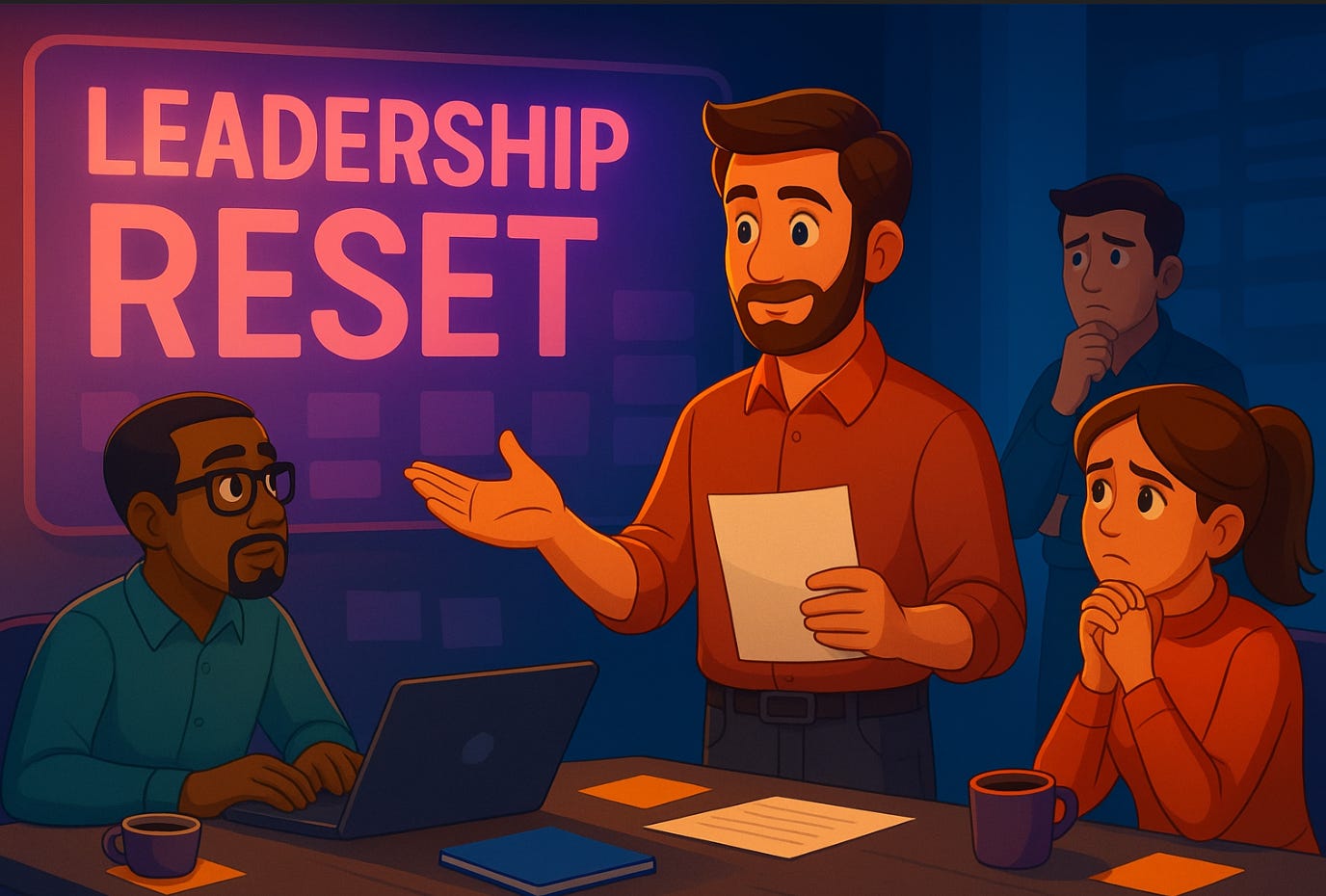
The Leadership Reset: My Hardest Lesson
The first step wasn’t for my team.
It was for me.
I believed that being available 24/7 was leadership.
But the truth?
When you’re always available, you create dependency.
You’re solving problems instead of building problem-solvers.
The shift:
My job isn’t to answer everything right now.
My job is to build a team that doesn’t need me every second.
Once I accepted that, I could lead differently.

Why we fall Into this trap
Two reasons drive this culture:
